![]()
In the following, Norbert Wichnalek, Lukas Wichnalek, Patricia Strimb and Arbnor Saraci (all Zahntechnik Wichnalek – HIGHFIELD.DESIGN, Augsburg, Germany) show how the polychromatic VITA VIONIC DENT DISC multiColor is now being used to create precision-fit premium teeth in a digital workflow, and discuss the advantages this offers.
Manually adjusting denture teeth to a model casting framework is tedious work that does not allow for true precision. There is a fair amount of guesswork involved as it is ground out until it fits, and often more of the basal tooth is sacrificed than would have been necessary. With the digital workflow, innovative materials for removable partial dentures, which now enable custom-fit prosthetic components based on the lock-and-key principle, have been introduced. These only need to be bonded together using modern adhesive systems. This means that high-precision production technology is replacing the guesswork of manual grinding. In the following, Norbert Wichnalek, Lukas Wichnalek, Patricia Strimb and Arbnor Saraci (all Zahntechnik Wichnalek – HIGHFIELD.DESIGN, Augsburg, Germany) show how the polychromatic VITA VIONIC DENT DISC multiColor is now being used to create precision-fit premium teeth in a digital workflow and discuss the advantages this offers.
“The VITA VIONIC DENT DISC multiColor now makes it possible to create removable prosthetics with premium teeth from the disc individually, and as required. The "guesswork" involved in the tedious and time-consuming process of grinding out prefabricated teeth is a thing of the past.” - Team Wichnalek, Zahntechnik Wichnalek – HIGHFIELD DESIGN, Augsburg, Germany
|
|
|
|
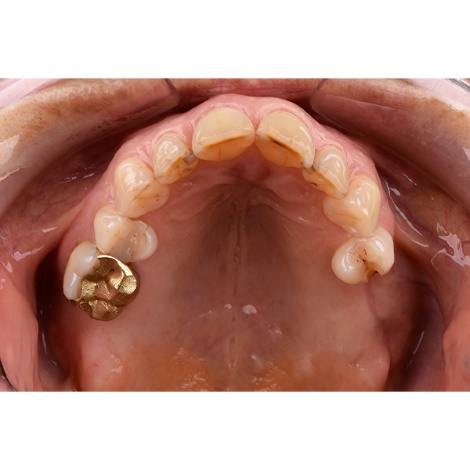
Fig 1. The initial situation with the missing teeth 17, 26 and 27.
|
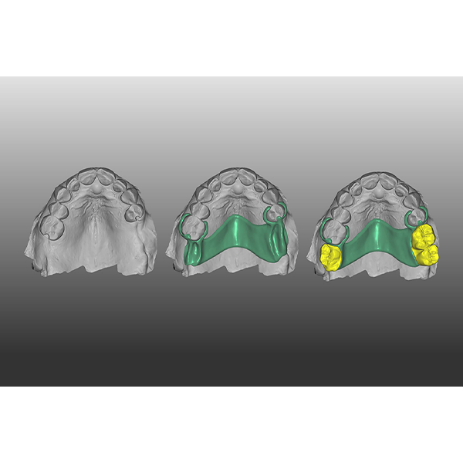
Fig 2. The design of the denture components in the exocad software.
|
Optimum adhesive gap and individual occlusion
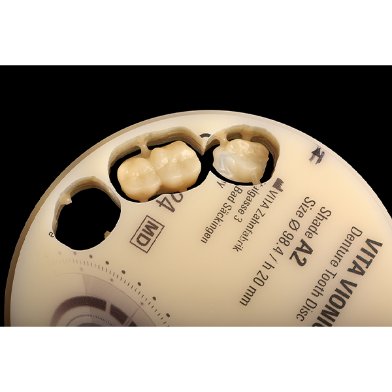
After the intraoral scan of the dental arches and the habitual final bite position, the prosthetic components were designed to fit together precisely in the exocad software (exocad, Darmstadt, Germany). The framework structure was designed using Juvora Dental PEEK natural (Juvora, Lancashire, UK). The precision-fit tooth material from the VITA VIONIC DENT DISC multiColor then followed on the saddles, with the saddle base being incorporated into the design. Teeth 26 and 27 were also given an interlocking design, and the adhesive gap was kept even and as small as possible to ensure the greatest possible stability. If the adhesive gap is too small, the bond will be weaker; if the adhesive gap is too large and inhomogeneous, this can result in chipping. It was possible to functionally design the occlusion to match the natural opposing dentition. Both prosthetic components were then fabricated one after the other in the Imes iCore 350i PRO milling unit (Imes iCore, Eiterfeld, Germany) with CAD/CAM support.
|
|
|
|
|
Fig 3. The dental material fabricated with CAD/CAM support in VITA VIONIC DENT DISC multiColor.
|
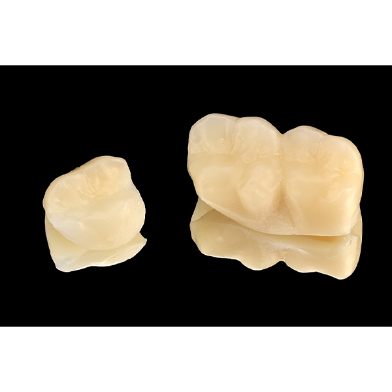
Fig 4. Teeth 26 and 27 were produced with the basal parts interlocked.
|
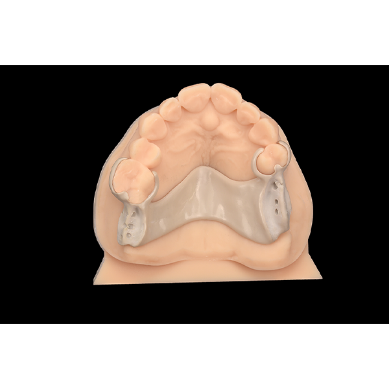
Fig 5. The framework of the partial denture was fabricated from PEEK, supported by CAD/CAM.
|
Elaboration and bonding
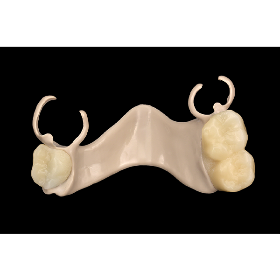
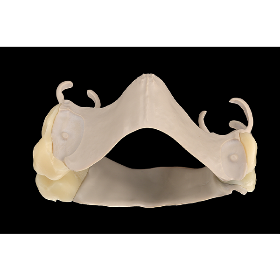
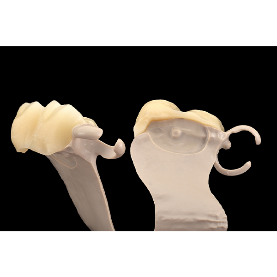
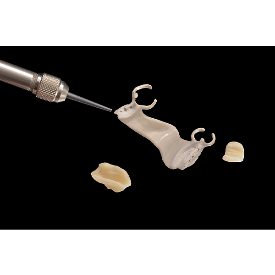
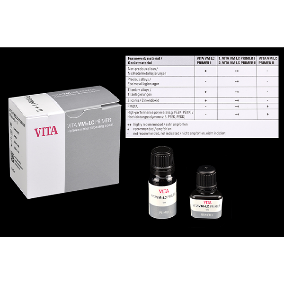
The tooth material was finished and the micromorphology determined using standard grinding tools. This was followed by a simple pre-polishing using the VITA ENAMIC Polishing Set technical and a short high-gloss polishing using VITA Polish Hybrid (both VITA Zahnfabrik, Bad Säckingen, Germany), as well as a brush with goat hair bristles and a leather buff. The basal adhesive surfaces of the prepared tooth material and the complete saddles made of PEEK were first cleaned and conditioned in a vacuum plasma chamber – normal practice in our laboratory – using oxygen and argon as the ignition gas. Afterwards, conditioning was done with 50 μm aluminium oxide and the universal VITA VM LC Primer. This was followed by controlled adhesive cementation of the denture components using the flowable and light-curing composite VITA VM LC flow BASE DENTINE A3 (all VITA Zahnfabrik, Bad Säckingen, Germany).
|
|
|
|
|
|
Fig 6. The precise fit of the tooth material on the saddles of the framework structure.
|
Fig 7. The precise fit of the tooth material on the saddles of the framework structure.
|
Fig 8. The individualized dental material made from the polychromatic composite disc VITA VIONIC DENT DISC multiColor.
|
Fig 9. Conditioning of the adhesive surfaces by sandblasting with 50 μm aluminium oxide.
|
|
|
|
|
|
|
Fig 10. The chemical bond of the prosthetic components was established using the universal VITA VM LC PRIMER.
|
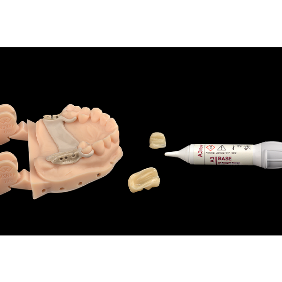
Fig 11. The cold-curing polymer resin VITA VM CC was used for cementation.
|
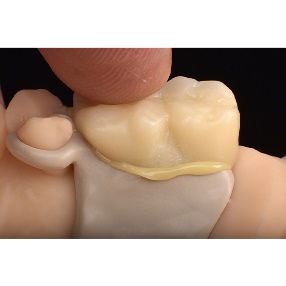
Fig 12. The resulting excess material clearly shows the homogeneous adhesive gap.
|
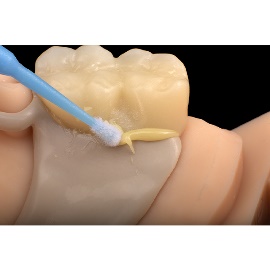
Fig 13. Removal of excess using the micro brush.
|
Gingival reproduction
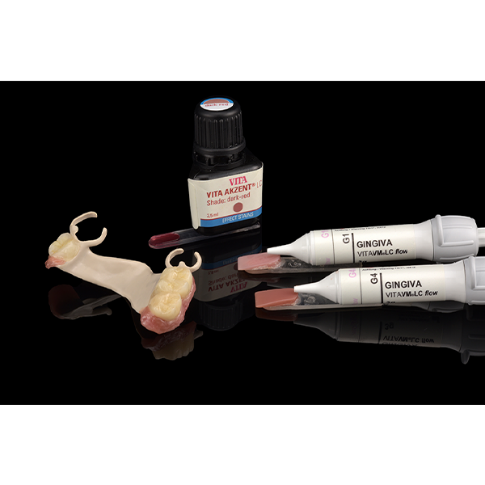
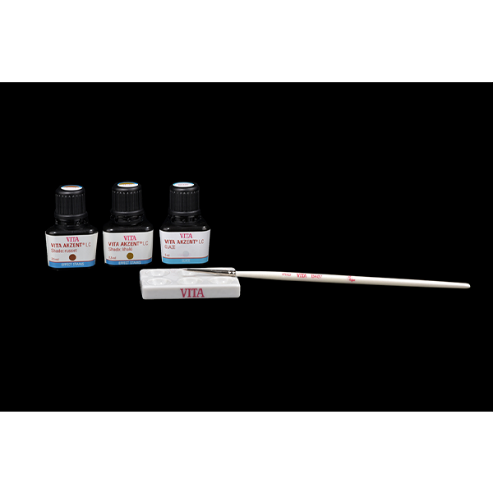
The basal, vestibular and oral parts of the saddle were then completed with cold-curing resin. After sandblasting again with 50 μm aluminium oxide and conditioning the base with the VITA VM LC Primer, deeper blood vessels in the area of the mobile gingiva and in the interdental areas were established with the light-curing composite stain VITA AKZENT LC EFFECT STAINS dark red (VITA Zahnfabrik, Bad Säckingen, Germany). After suitable fixation with the polymerization light, VITA VM LC flow GINGIVA 4 (G4/brown red) was used to create a thinly tapering mucosa, which also created a fine, definitive gingival margin around the teeth in the vestibular area, which was no longer subtractive as it progressed. After 90 seconds of intermediate curing, cervical and interdental contouring was performed with GINGIVA 1 (G1/dusky pink).
Characterization and finishing
The palatal tooth and base areas from the VITA VIONIC DENT DISC multiColor were not individualized gingivally. To prevent an oxygen inhibition layer, final curing was carried out in 180 seconds using the Otoflash G171 polymerization device (NK Optik, Baierbrunn, Germany) in a wavelength range of 280- 580 nm under an inert gas device with nitrogen. The entire saddle area was then washed off, sandblasted with 50 μm aluminium oxide, and the tooth material in the fissures and interdentally characterized with the composite stains VITA AKZENT LC EFFECT STAINS russet and khaki. Finally, a uniform gloss level was established with a wafer-thin application of VITA AKZENT LC GLAZE. After another 90-second curing period – as described above – the high-gloss polish was applied with a cotton buff using light pressure.
|
|
|
|
Fig 14. A fine definitive gingival garland with VITA VM LC flow GINGIVA.
|
Fig 15. The gingival individualization of the saddle area was carried out with composite stains and castable veneering composite.
|
Discussion and conclusion
The VITA VIONIC DENT DISC multiColor now makes it possible to create removable prosthetics with premium teeth from the disc individually, and as required. Only the dental material that is needed is produced with CAD/CAM support. The "guesswork" involved in the tedious and time-consuming process of grinding out prefabricated teeth is a thing of the past. The ability to fabricate interlocking and integrate parts of the base into the tooth material provides maximum durability. The optimized design of the adhesive gap also ensures stability and a reliable bond. The polychromatic VITA VIONIC DENT DISC multiColor offers an inherently natural appearance, meaning that finishing and polishing are usually all it takes to achieve the desired aesthetic effect. The basic shade accuracy of the composite shade to the VITA shade standards, in combination with the equally accurate and coordinated material components from VITA Zahnfabrik, provides true added value for fabricating removable partial dentures reliably and efficiently.
|
|
|
|
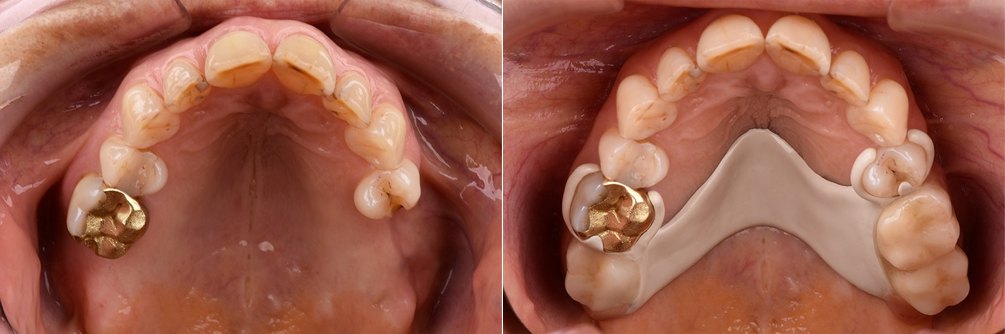
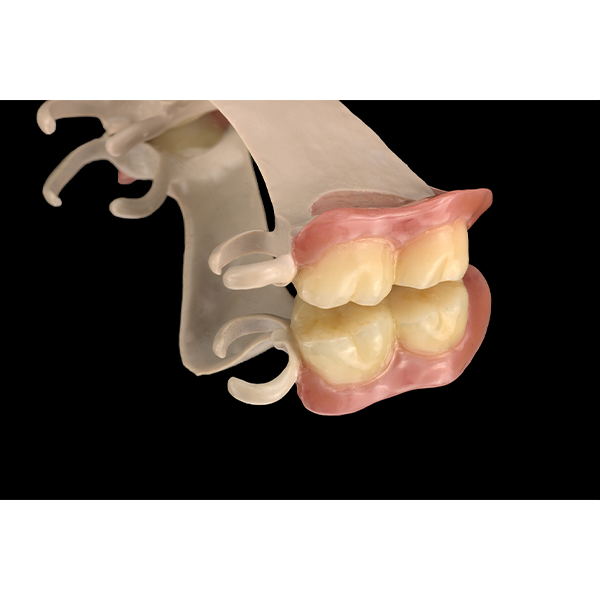
Fig 16. Occlusal view of the finished partial denture.
|
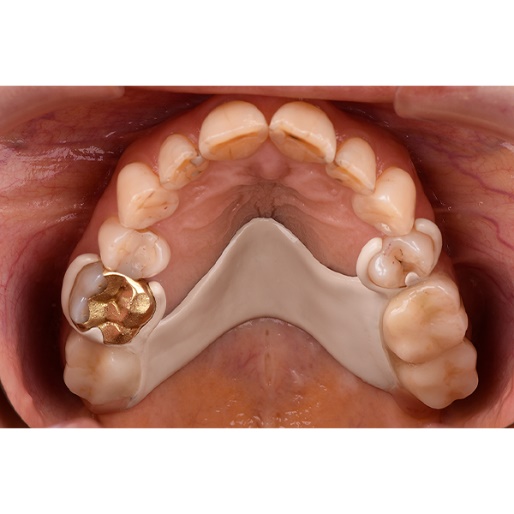
Fig 17. Occlusal view of the integrated partial denture.
|
VITA VIONIC® DENT DISC multiColor
The milled tooth for long-lasting full and partial dentures